Five life lessons from falling in love with Paul McCartney
My first (and last and always) muse is eighty-four today.
I discovered Paul McCartney when I was ten and literally all of television seemed to be celebrating his fiftieth birthday. Watching A Hard Day’s Night and seeing the Beatles in their mop-top era for the first time, the only way I thought I could tell the difference was the way Paul held his guitar. I saw it during ‘And I Love Her’, and a part of me will forever be sitting an inch away from that tiny television.
Like me, Paul was left-handed. Also like me, he was vegetarian. And he was married to a Jewish American which, with my dual nationality, made it utterly clear to me all it would have taken was a time machine and I’d have been totally in there.
But the time machine was not to be, and the closest I’ve ever been to Paul was six rows from the front last Wednesday evening at the Roundhouse.
Twenty years beyond the age of his (or anyone’s) most famous song about aging, Paul mentioned yoga and vegetarianism and absolutely not knowing the secret. But what he showed rather than told us is what I think I’ve been learning from him all my life.
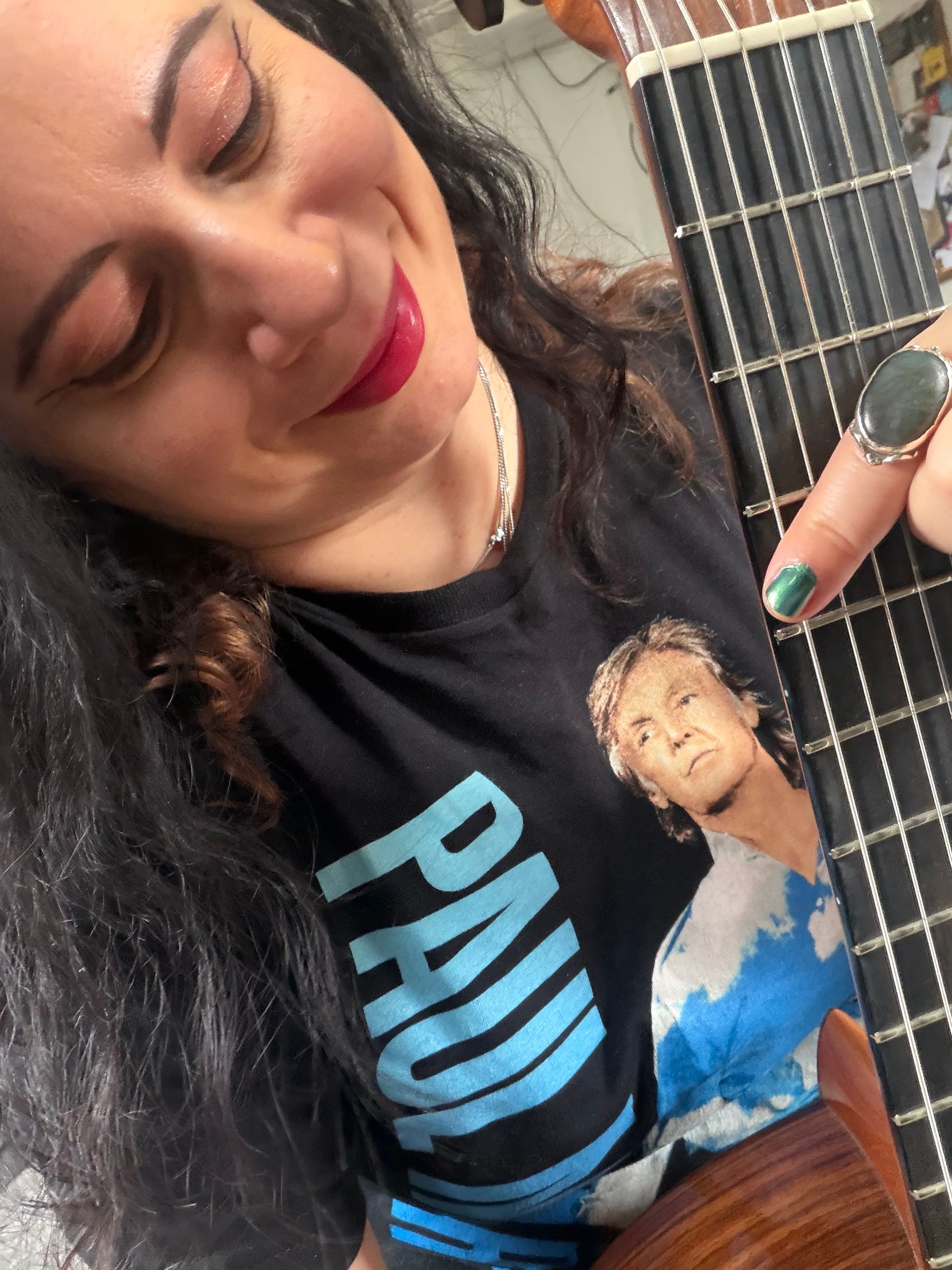
Paul’s talk with Rob Brydon focused on the new album, The Boys of Dungeon Lane: the person he was growing up in Liverpool and the memories that created the songs. But one of the non-album questions that will stick with me forever was his reaction to the ‘youthful’ question.
Twenty years beyond the age of his (or anyone’s) most famous song about aging, Paul mentioned yoga and vegetarianism and absolutely not really knowing what or if the secret might be.
But what he showed rather than told us is what I think I’ve been learning from him all my life.
Younger than I’ve ever been
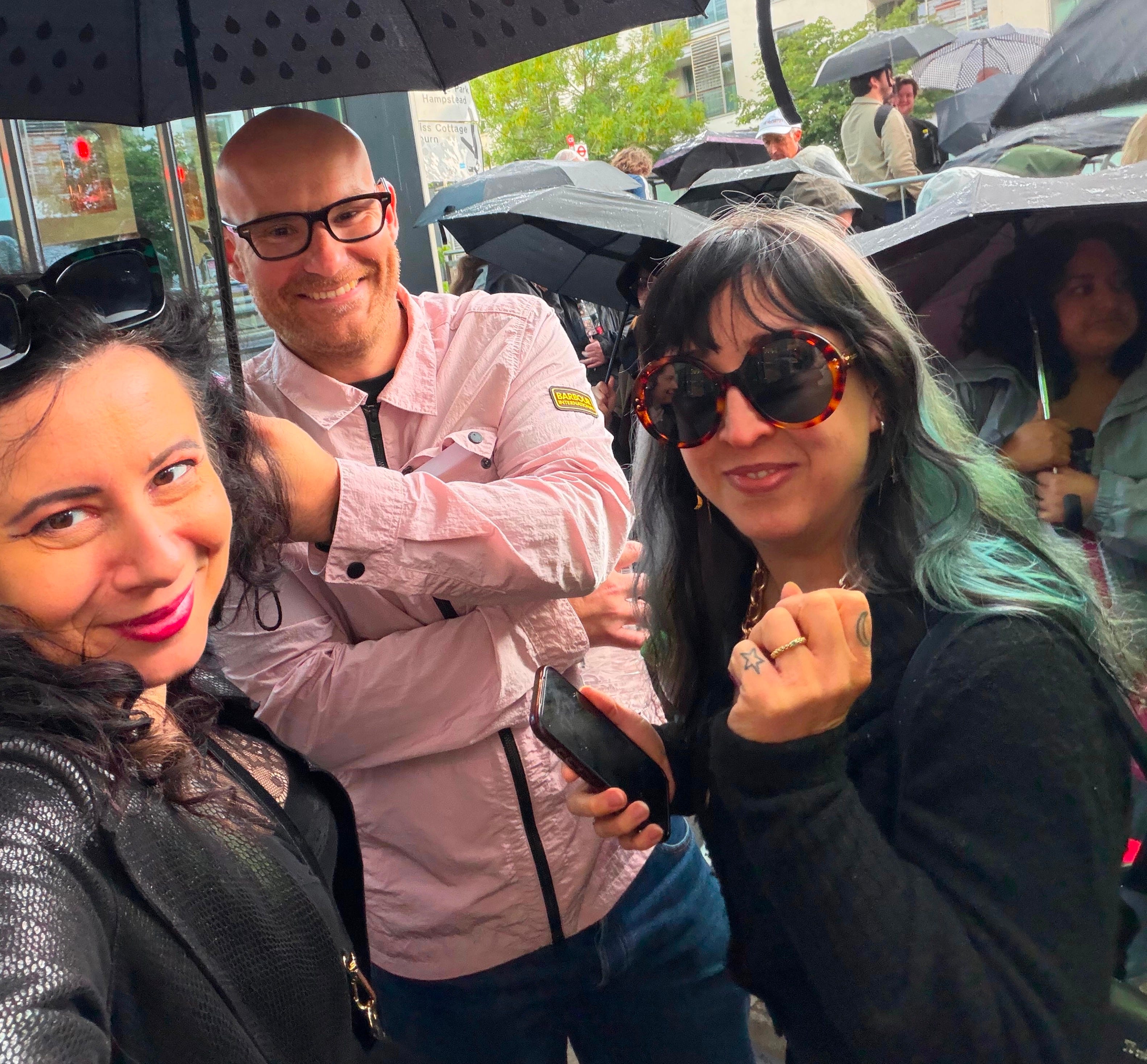
I didn’t have half as good a time when I was what I now think of as ‘young’. My forties are a lot more fun than my twenties were; I am enjoying being who I am, the communities I’ve joined and created reflect my values and interests (of which joining the Paul queue four hours early with my Writers’ Gym Podcast producer at the Roundhouse, and making new friends together with other fans in the queue, is just one example). I am now old enough to quietly enjoy looking young rather than resent it, but I’m not sure looking young is the truth off it either. My dress sense, way of talking and moving and thinking, are all closer to who I am than they’ve ever been. I think that’s been the quiet goal: being interested, enjoying potential and discovery and new stories, songs and people. Discovering more about myself through collaborating with the people and possibilities around me. Which is exactly what I’ve always seen him doing.
Paul’s honest, surprised ‘I can’t believe it’ when reflecting on reaching this age and how it feels is familiar because it’s the reaction we see of anyone reaching any previously-perceived arrival point, and finding we’re still exactly who we were all along. Staying youthful, if it means anything at all, means staying present.
In my twenties I was in a hurry to grow up and be who I was ‘supposed’ to be. Now I know the value of curiosity, and seeing past my perception of the ‘shoulds’ to the ‘whats’ and ‘whys’ of who I am and what I’m here to do. Which means I’m very aware now that when (“please God”, as my grandfather used to irritate me by saying and I say regularly myself now) I reach eighty-four, I will know in a way I can’t possibly understand today how very young I was now.
Five of my favourite life lessons from Paul’s music:
- You’re waiting for someone to perform with, but don’t you know that it’s just you… the movement you need is on your shoulder.’ (Hey Jude)
So often we think we need approval and understanding when what we’re actually looking for is permission. And the only person who can give it isn’t the one we’re outsourcing our free-will to; it’s the person in the mirror. - ‘So lay down your umbrellas, strip off your plastic macs, you’ve never felt the rain my friend until you’ve felt it running down your back.’ (Mamunia, Band on the Run). We spend so much time trying to avoid feeling afraid, sad, out of control, but letting ourselves feel them means we don’t fear fear the way we did, and it brings us closer to each other and the world.
- ‘I can help you out, but I cannot help you in.’ (Little Lamb Dragonfly, Red Rose Speedway) One of the most important and least popular life lessons is the one about not confusing leading the horse to water with what happens when it arrives. We can’t help everyone, and accepting that allows us to truly help the ones we actually can, and/or who actually want the help.
- ‘Take these broken wings and learn to fly/ all your life, you were only waiting for this moment to arrive.’ (Blackbird, The White Album) When things are bad it’s a sign it’s time to move on, yet we only see the crisis at the time and not the opportunity. When I look back, the great big and great good changes came on the other side of some kind of despair. It meant giving up something that wasn’t serving me anymore, if it ever had. And beyond fear is choice and realisation you were only waiting for this moment to be free.
- I cannot choose between Live and Let Die and Let it Be. And maybe that’s the very point I took from him. Knowing the difference between what is in your axis of control and what is outside it; the difference between how much you care and what’s yours to control, and how to protect your peace and still take your own steps towards making your world the best version of itself.
InkCouragement is the newsletter of Rachel Knightley Coaching and The Writers’ Gympodcast and membership. Join an event here.
InkCouragement: Creative Confidence with Dr Rachel Knightley is a reader-supported publication. To receive new posts and support my work, consider becoming a free or paid subscriber.